What Is the Best Way to Learn Driving?
What Is the Best Way to Learn Driving?
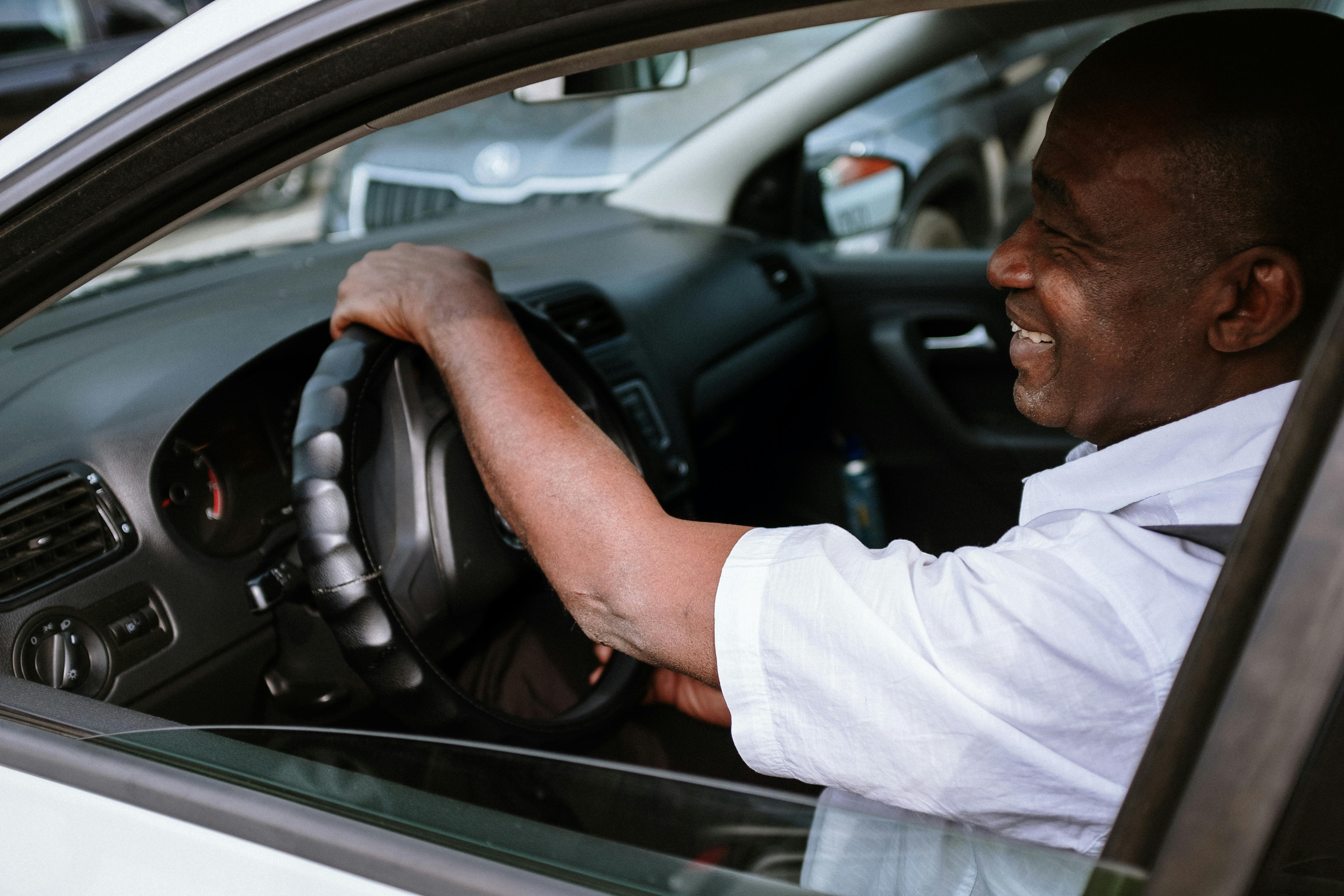
Learning to drive can feel confusing at the start. You are trying to remember the mirrors, the pedals, the road signs, other cars and what your instructor is saying, sometimes all at the same time. After a while, though, things start to click. The best way to learn is usually to take proper lessons, practise regularly and give yourself enough time to get comfortable. Learning with an Automatic driving school southwest London can be a good starting point for people who want to build their confidence step by step.
Start With Professional Driving Lessons
It is tempting to learn from a friend or family member because you already feel comfortable with them. But having a driving instructor for your first lessons can make things much easier.
A teacher understands what a novice driver should learn and is able to identify errors that you might not even see yourself.
You will usually work on things like:
- Steering and controlling the car
- Moving off and stopping
- Changing gears and using the clutch in a manual car
- Reading road signs and markings
- Checking your mirrors
- Approaching junctions and roundabouts
- Parking and reversing
- Driving around other traffic
You are going to make mistakes. That is part of learning. The important thing is understanding the mistake and having another go.
Practise Regularly
One lesson and then a two-week break can make you feel like you have forgotten everything.
Regular practice is much better. Even a short drive can help, especially when you are working on something specific.
You might spend one practice session doing parking. On another day, you could practise roundabouts or drive around an area you are not familiar with.
You do not have to be perfect every time you drive. You just need to keep getting a little more comfortable.
Manual or Automatic: Which Is Easier to Learn?
This is something almost every new learner thinks about. Should you learn in a manual or just go for an automatic?
There is no answer that suits everyone.
| Manual | Automatic |
|---|---|
| You have to use a clutch | No clutch pedal |
| You change gears yourself | The car changes gears for you |
| Takes time to get used to clutch control | Often feels simpler at the beginning |
| Gives you control over gear changes | Can feel less tiring in heavy traffic |
| Gives you more flexibility with the types of cars you can drive after passing | An automatic-only licence can limit the cars you can drive |
If the clutch and gear changes are making learning stressful, an automatic might feel much easier.
But some people actually enjoy learning in a manual and like having that extra control.
It really comes down to what feels right for you.
Learn in Different Driving Conditions
Driving around a quiet residential street is one thing. Driving through a busy town at 5pm is a completely different experience.
Once you are comfortable with the basics, start getting used to different situations.
Aim to get some experience with the following:
Great for getting used to turning, braking and keeping your car in the correct lane.
There will be many more cars, pedestrians, cyclists and parked vehicles.
These allow you to get used to faster traffic and how to enter the dual carriageway as well as how to change lanes.
Things can feel different at night, as you may not know how to judge distance or speed.
Wet weather makes driving more complicated, as it is necessary to learn how to drive safely in slippery conditions.
Do Not Rush to Take the Test
It is easy to get caught up in the idea of passing as quickly as possible.
You might hear that a friend passed after a certain number of lessons, or see people talking about how quickly they learned. Try not to compare yourself with them.
Instead, think about whether you can:
- Drive without being told what to do every few seconds
- Deal with roads you have not driven on before
- Stay calm in traffic
- Carry out manoeuvres safely
- Remember your mirror checks
- Notice hazards before they become a problem
- Recover calmly when something goes wrong
There is no benefit in taking the test before you are ready. A little extra practice can sometimes make a big difference.
Learning With an Instructor vs Learning With Family or Friends
Both can help, but they are useful for different reasons.
Professional Instructor
An instructor can teach you a proper routine and explain why you need to do something in a particular way.
They can also notice small things that you may not realise you are doing, such as checking mirrors too late or positioning the car incorrectly.
Family Member or Friend
Private practice gives you more time on the road without having to book another lesson.
It can also help you get used to driving when you are not in a lesson environment.
The only problem is that everyone has their own driving habits. Your parent, friend or relative might tell you to do something one way, while your instructor has taught you another way.
It is usually better to learn the correct technique from your instructor and use private driving to practise it.
What Makes a Good Driving Lesson?
A useful lesson should have something to work on.
There is not much point in just driving around for an hour without knowing what you are trying to improve.
For example, one lesson might focus on:
Another could be spent on:
Later on, you might work mainly on:
This also helps you see where you are improving and where you still need more practice.
Common Mistakes Learners Make
Mistakes are normal when you are learning. Some mistakes, however, come up again and again.
Looking Too Close to the Car
New drivers often stare at the road directly in front of them. Try looking further ahead too. It gives you more time to notice what is happening and react to it.
Forgetting Mirror Checks
When there is a lot happening around you, mirrors can easily be forgotten. Keep working on them until checking becomes something you do without having to think too much about it.
Trying to Drive Too Quickly
Some learners feel they need to prove they are progressing by driving faster or taking on difficult roads too soon.
You do not.
Take things at a pace where you can stay in control and make good decisions.
Panicking After a Mistake
You might stall the car, choose the wrong lane or make another small mistake.
It happens.
Try not to let one mistake ruin the rest of the drive. Deal with what is happening in front of you and carry on.
So, What Is the Best Way to Learn Driving?
There is no magic trick that suddenly makes someone a good driver.
For most people, it comes down to good lessons, regular practice and experience.
Learn the basics properly first. Once you are comfortable, start pushing yourself a little by driving on busier roads, unfamiliar routes and in different conditions.
And do not worry too much about how quickly someone else is learning.
The point is not just to pass the test. You want to get to the stage where you can get into a car on your own, look at the road ahead and feel like you know what you are doing.


Comments
Post a Comment